
Industrial wooden crates lead the export packaging market for heavy and sensitive cargo. Because of global logistics challenges, exporters need a strong solution. That solution is industrial wooden crates export.
Today, supply chains demand packaging that protects cargo and avoids customs delays. Wooden crates deliver both. Still, many companies hesitate before switching. So, this guide explains the why, the how, and the value.
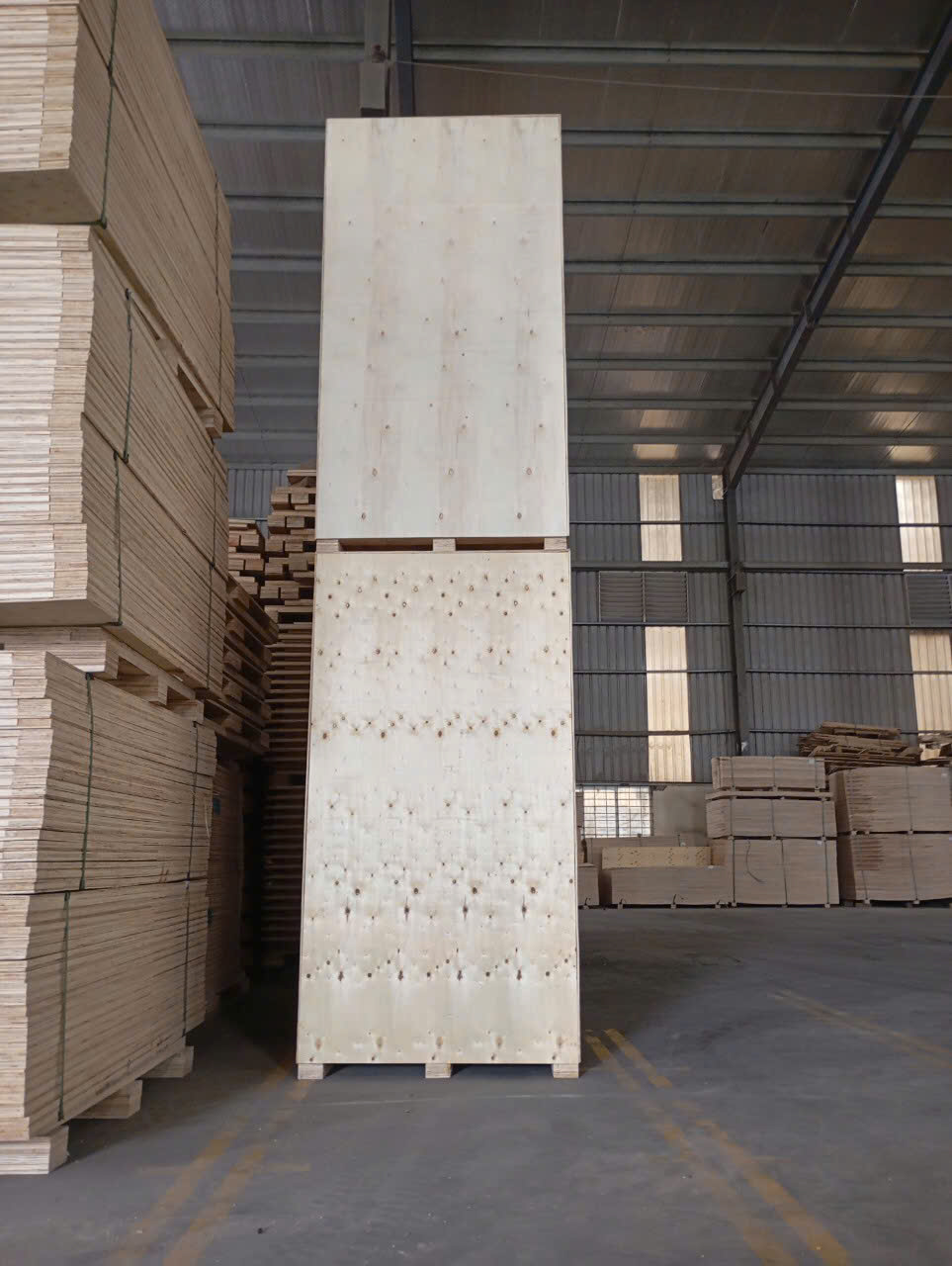 |
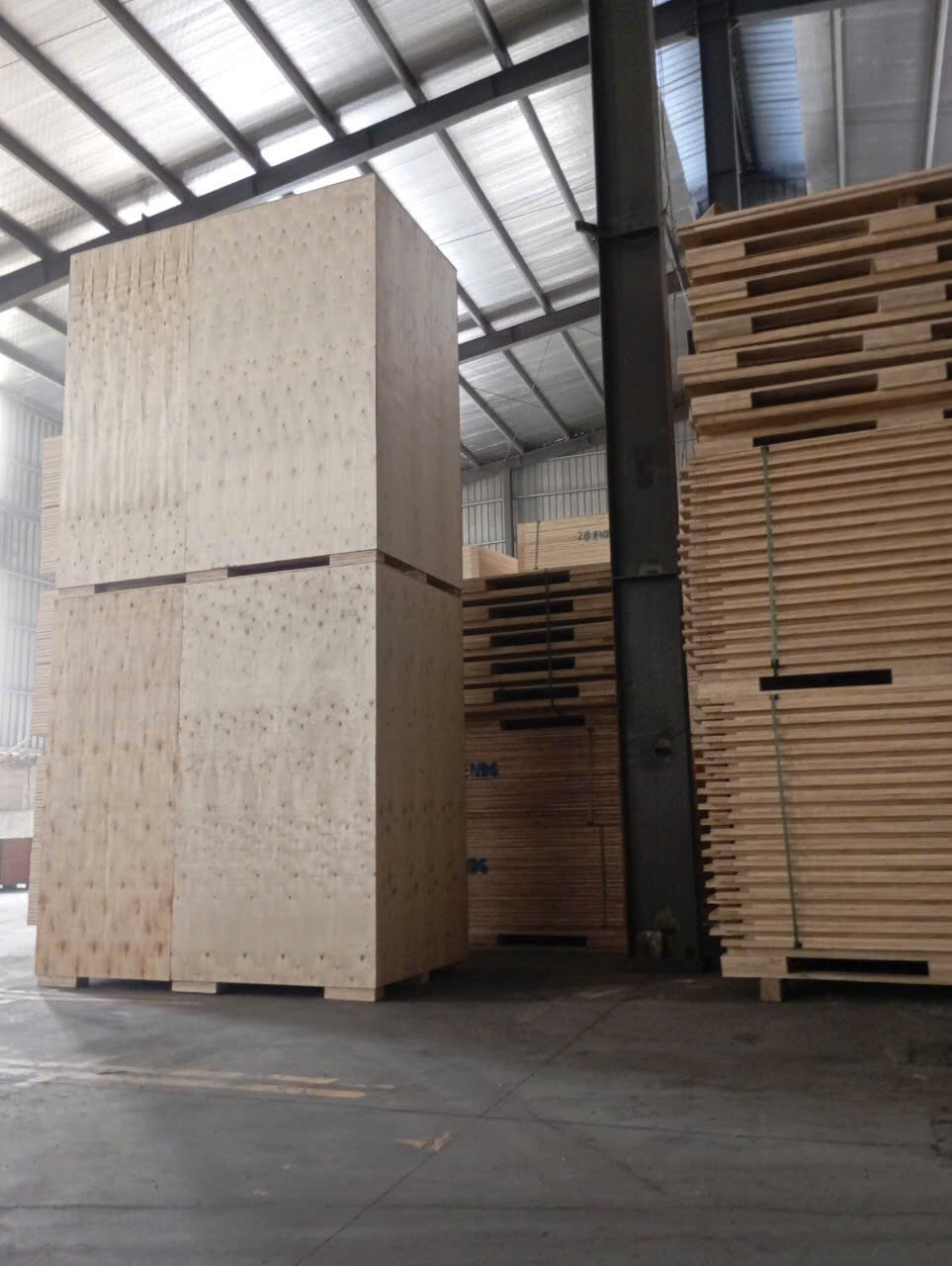 |
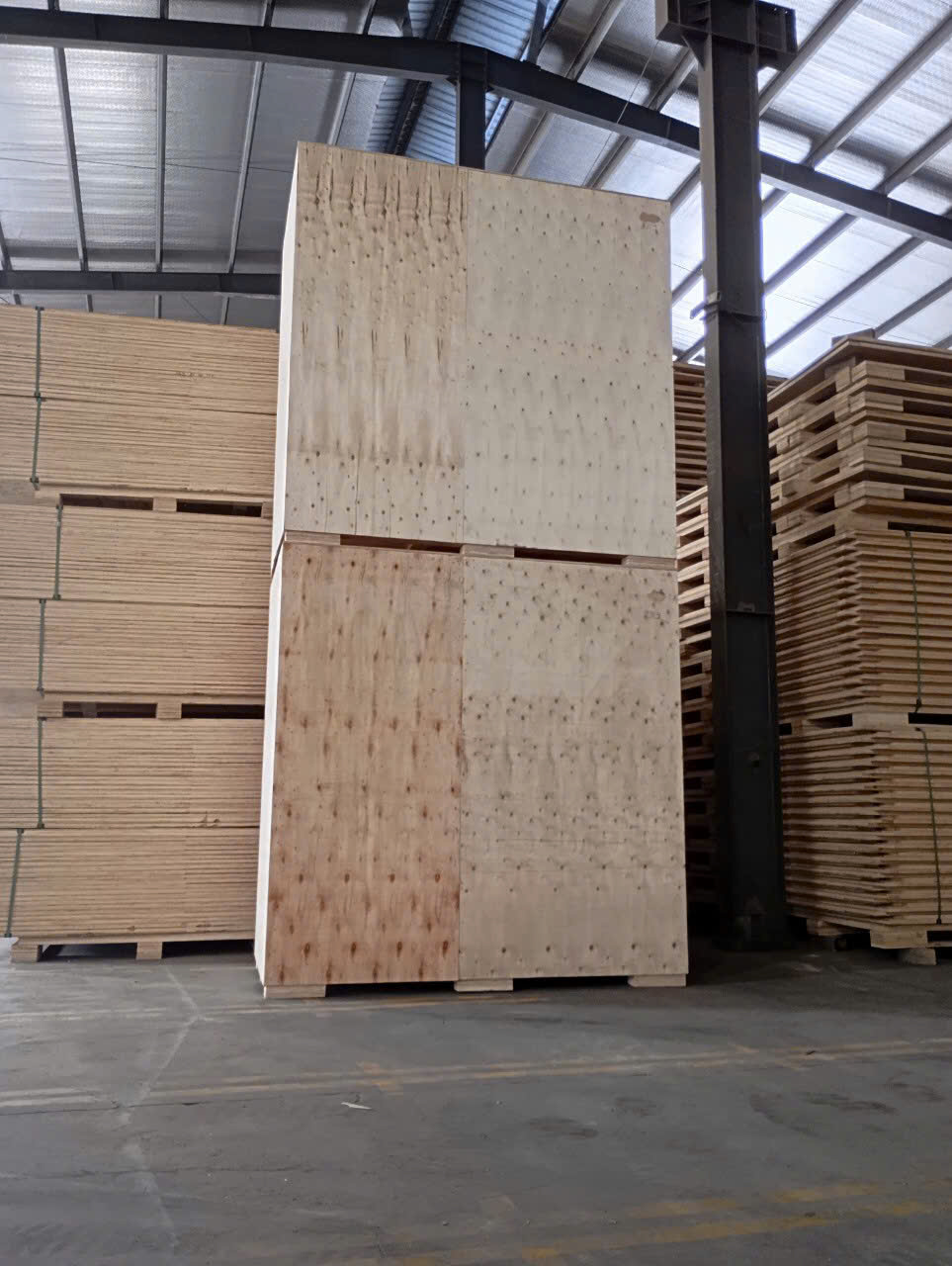 |
1. Rising Demand for Industrial Wooden Crates in Exports
Vietnam and Asia now ship machines, electronics, and industrial components worldwide. Therefore, exporters upgrade from cardboard to wooden crates. Meanwhile, freight routes grow longer. So, cargo needs better protection.
Also, port congestion pushes storage duration up. Consequently, packing must handle stacking and humidity. Wooden crates pass this test.
2. What “Industrial Wooden Crates Export” Really Means
Industrial export crates differ from local storage boxes. Specifically, they must:
-
Carry high loads
-
Resist impact and vibration
-
Support safe stacking
-
Meet heat treatment standards
-
Provide traceable batch codes
In contrast, low-grade crates crack or warp. So, industrial grade always wins.
3. Core Benefits of Using Wooden Crates for Exporters
3.1 Superior Load Strength
First, wooden crates hold heavy machines without bending. Thus, factories ship motors, pumps, and steel parts safely.
Also, reinforced bases lock cargo tight. So, forklifts move them easily. Furthermore, wood absorbs shocks better than plastic or paper.
3.2 Impact Resistance for Long Transit
Second, sea shipping involves vibration, braking force, and stacking pressure. Wooden crates resist all of them. Therefore, fewer goods arrive damaged.
Moreover, export firms avoid insurance claims. In turn, customer satisfaction rises.
3.3 Stable Stacking for Port and Warehouse Storage
Third, exporters often stack goods 2–5 layers high. Because of panel rigidity, wood crates stay aligned. Comparatively, soft packs collapse.
Additionally, stacking reduces storage footprint. So, businesses save logistics costs.
3.4 Climate Resilience in Container Shipping
More importantly, containers trap heat and humidity. However, sealed wood panels prevent mold. Likewise, moisture-tested boards block warping.
So, crates maintain structure, even during 30–50 day shipping routes.
3.5 Better Handling with Forklifts and Lifting Equipment
Most industrial crates design pallet-like bottoms. Hence, forklifts slide under fast. After that, workers lift without rope damage.
Also, cranes hook safely because wood distributes weight well.
3.6 Eco-Friendly and Reusable
Finally, wood crates support sustainability goals. After delivery, companies reuse them for storage or reverse logistics.
Consequently, cost per trip drops when reuse cycles increase.
Custom Wooden Crates for Packaging: The Smart Choice for Modern Exporters
4. Key Technical Criteria for Industrial Export Wooden Crates
Export companies must check crate specifications early. Otherwise, wrong sizing or weak joints slow down operations.
Industrial Wooden Crates for Export Key Parameters
| Parameter | Typical Standard |
|---|---|
| Wood type | Pine, plywood, mixed (export often uses pine or plywood) |
| Moisture level | 8–15% |
| Load capacity | 500–3,000 kg |
| Panel thickness | 9–18 mm |
| Joint support | Screwed, bolted, or sealed |
| Base type | Pallet-style or flat base |
| Stack capacity | 2–5 layers |
| Marking | Batch code, weight, center mark |
| Compliance | Heat treatment certified |
| Custom size | Available |
This table matches most industrial shipping requirements.
5. When Should Exporters Use Wooden Crates?
Industrial crates support a wide range of sectors, for example:
-
Factory automation systems
-
Mechanical engineering tools
-
Industrial electronics
-
Marine equipment
-
Aerospace components
-
Construction machines
-
Oversized machinery
-
Fragile, high-value parts
Therefore, export firms choose wooden crating when handling risk gets high.
6. Risks of Not Using Industrial Wooden Export Crates
Before selecting cheaper alternatives, companies must recognize risks.
First, paper packs fail for heavy cargo. Second, plastic lift boxes cost more upfront. Also, weak crates shift cargo inside. So, freight hazards increase.
Moreover, insurers raise premiums for poor packaging history. Likewise, customs quarantine rejects untreated wood. Therefore, packaging quality directly impacts export success.
7. How Export Wooden Crates Improve Logistics Efficiency
7.1 Faster packing lines
Because of standard sizing, packing teams assemble fast. Also, crates help them install protective inner bracing quickly.
7.2 Fewer delays at ports
Heat-treated, moisture-tested crates pass customs faster. After that, cargo gets cleared without setbacks.
7.3 Lower damage rate
When crates hold shape, internal goods stop shifting. So, fewer units arrive faulty.
7.4 Lower long-term cost
When companies reuse crates, cost per use shrinks. Consequently, bulk exporters gain competitive margins.
8. Quality Control Essentials for Crates Before Export
Export companies should implement a clear QC checklist:
-
Measure wood moisture
-
Check joint penetration depth
-
Test for bending or gaps
-
Shake to test internal shift risk
-
Confirm batch code readability
-
Inspect sealing uniformity
-
Approve design before mass output
These actions reduce risk dramatically.
9. Why ENVI Is a Practical Partner for Industrial Wooden Crates Export
ENVI focuses on industrial-grade wooden export crates for heavy and long-transit cargo.
Rather than promoting unrealistic claims, ENVI highlights operational strengths:
-
It produces crates from kiln-dried pine wood.
-
It reinforces crate joints using screws or bolts.
-
It tests wood moisture before assembly.
-
It heat-treats crates for export compliance.
-
It prints batch codes for traceability.
Also, ENVI supports custom sizing for industrial exporters. Hence, companies pack oversized machines without extra modifications.
Moreover, ENVI ships to major ports efficiently. Thus, exporters coordinate vessel schedules without stress.
Most importantly, ENVI runs active quality filters from raw wood to final packing. Therefore, clients reduce damage risk and speed up clearance.
Wholesale Custom Wooden Crates for Packaging – Reliable Solutions for Every Industry
10. Smart Ordering Tips for Industrial Export Crates
-
Confirm load needs first.
-
Choose pallet-style bases for heavy machines.
-
Use pine wood when weight-saving matters.
-
Set MOQ based on seasonal export volume.
-
Fix design before adding logo or batch marks.
-
Request production visuals when needed.
-
Schedule inspection before loading to containers.
These steps improve results.
11. Final Verdict
Industrial wooden crating is not just packaging. Instead, it is a logistics tool. Because of strength, stacking ability, and climate resilience, wood crates outperform soft packs.
Also, compliance-ready crates reduce shipment rejection risks. In turn, exporters maintain delivery accuracy and lower claims.
So, investing in industrial wooden crates export becomes essential for any business shipping industrial cargo globally.
Subscribe to Envi’s YouTube channel: [ Click here ]
Head Office: 5th Floor Geleximco Southern Star Building, Lane 897 Giai Phong Street, Hoang Mai Ward, Hanoi City, Vietnam
Factory 1: Pho Noi A Industrial Zone, Van Lam, Hung Yen, Vietnam.
Phone: +84 24 6296 3476
Domestic Hotline: 0971.535.580
WhatsApp/Wechat: +84 97 5802729 / +84 33 9789803 / +84 98 4026530
ENVI VIỆT NAM