
Structure of Wooden Lift vans Type II: Complete Guide to Materials, Dimensions, and Components
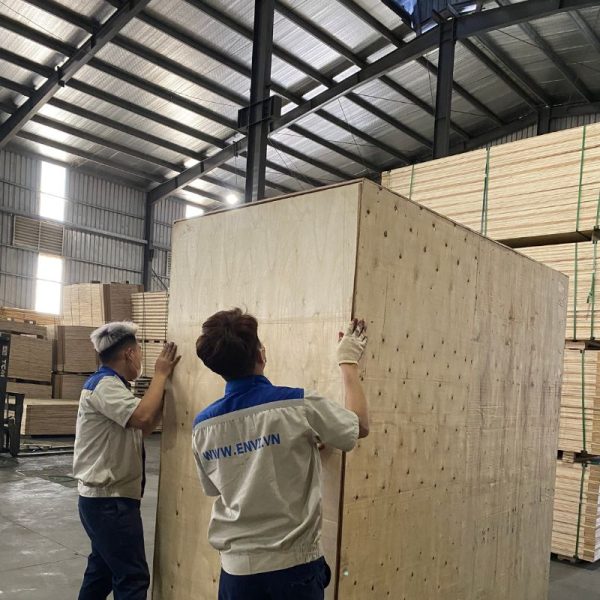
Wooden Lift vans Type II are widely used in international logistics, especially for household relocation and high-value cargo transport. These crates are specifically engineered to provide maximum protection against impact, vibration, and environmental factors during long-distance shipping. Their fully enclosed structure and reinforced frame make them a preferred choice for both sea freight and air freight.
In this SEO-optimized article, we will explore the complete structure of a wooden Lift vans Type II crate, including detailed specifications for plywood thickness, LVL frame dimensions, and all essential components such as base, sides, ends, and top cover. Understanding these elements will help ensure proper design, manufacturing, and usage.
Overview of Wooden Lift vans Type II Construction
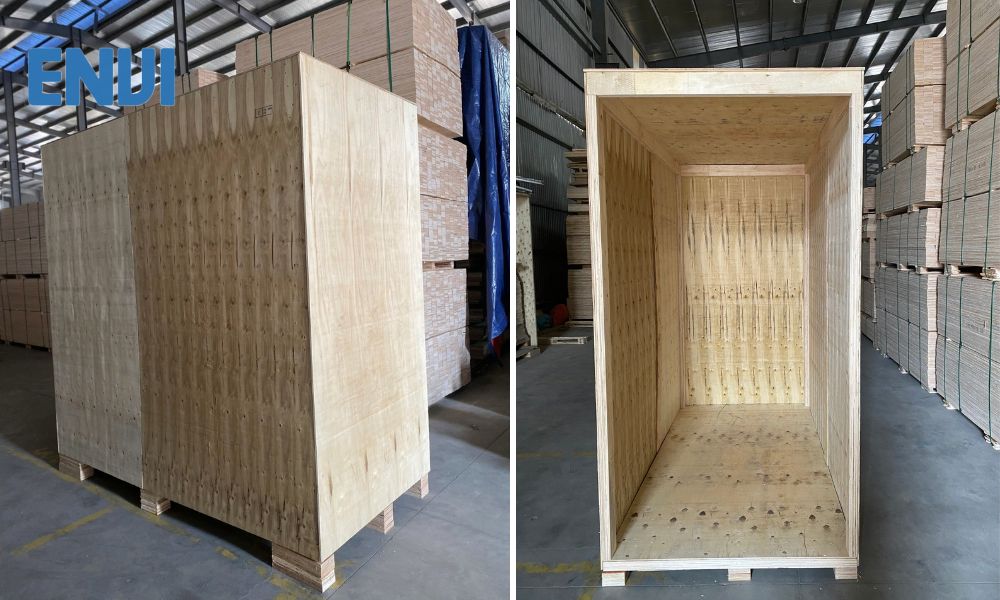
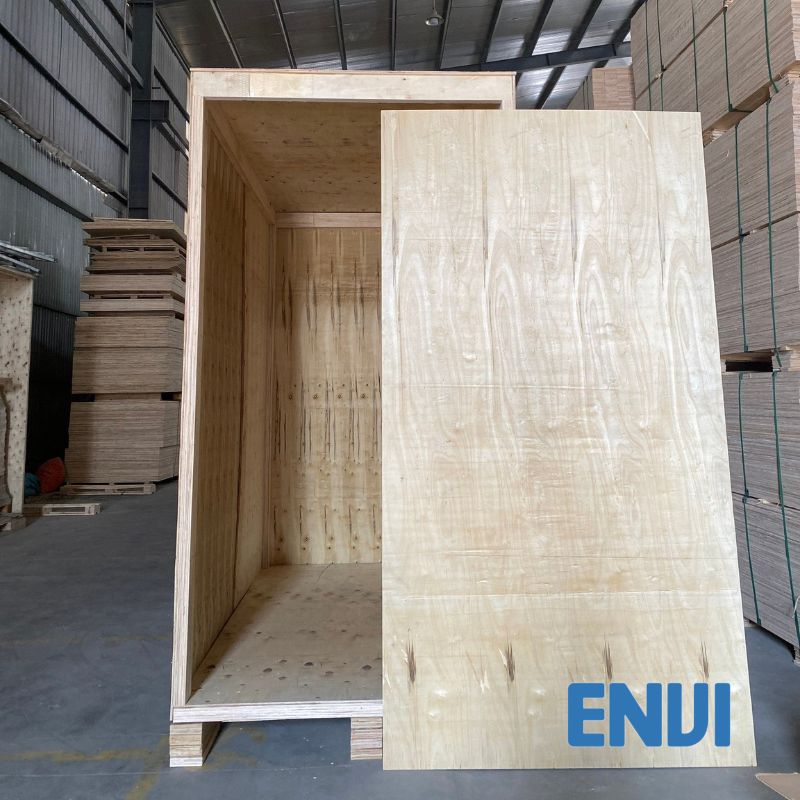
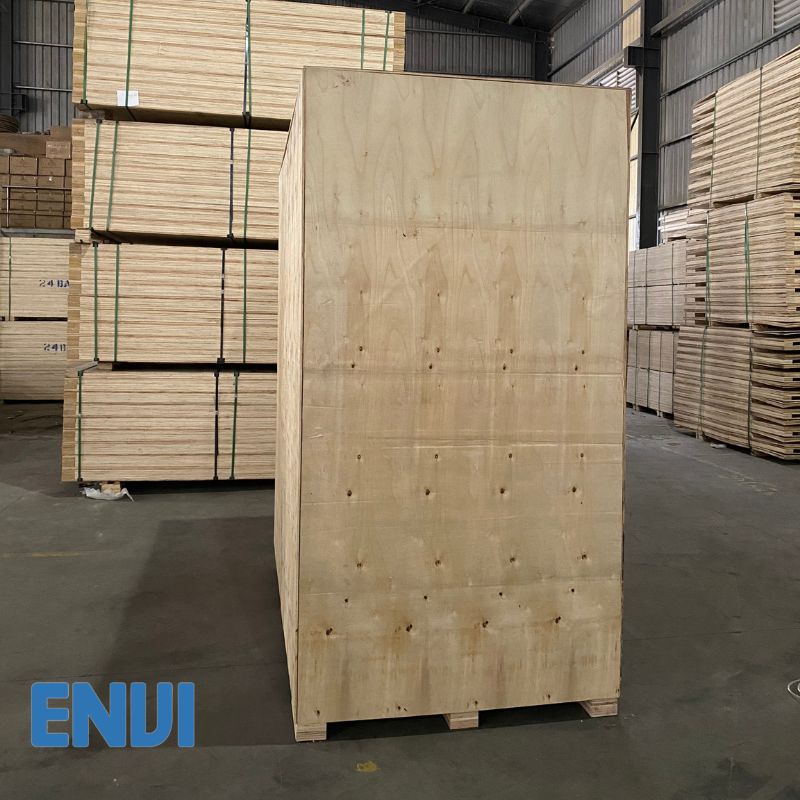
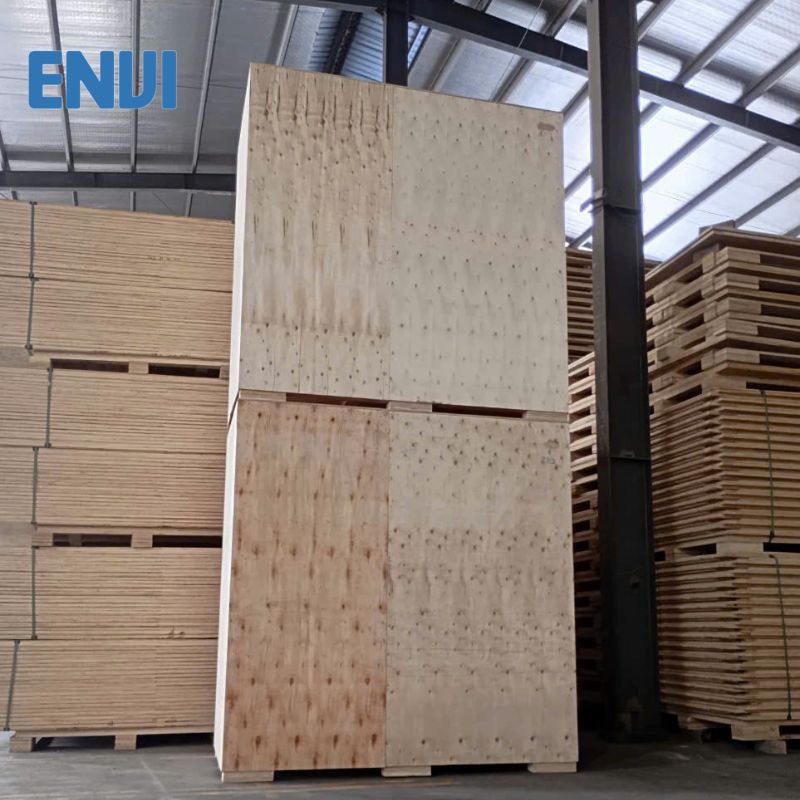
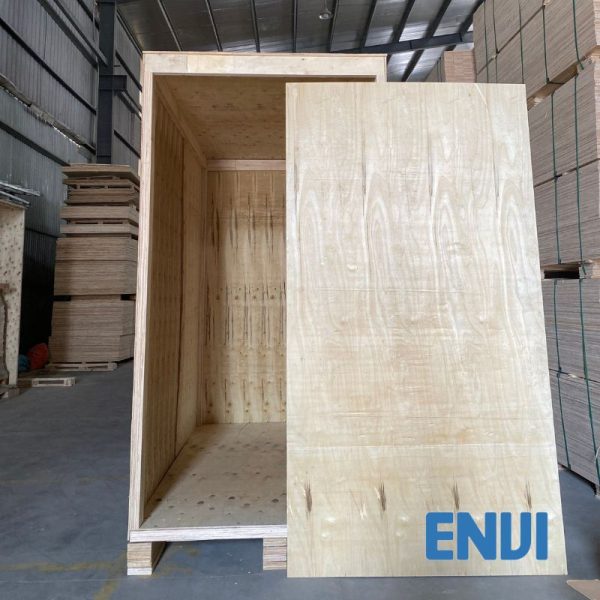
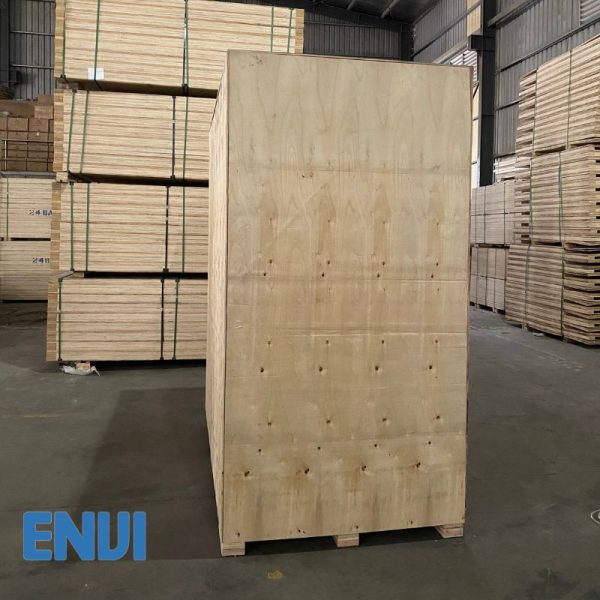
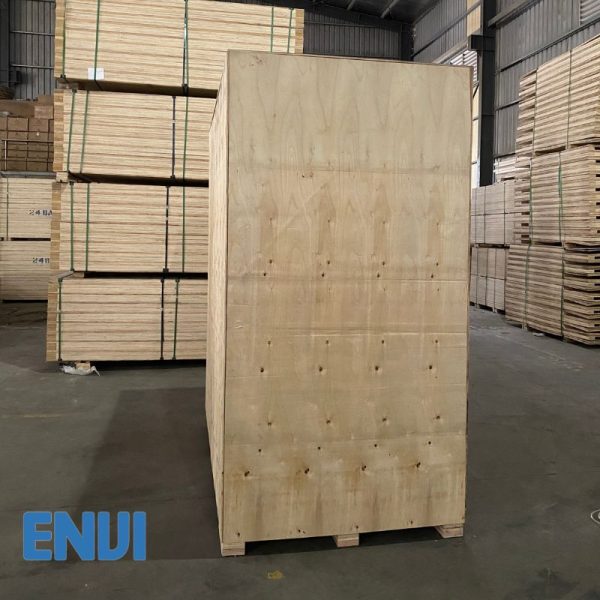
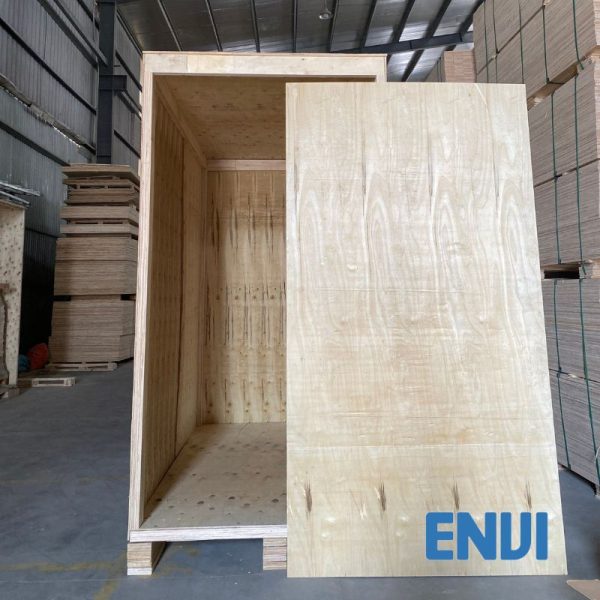
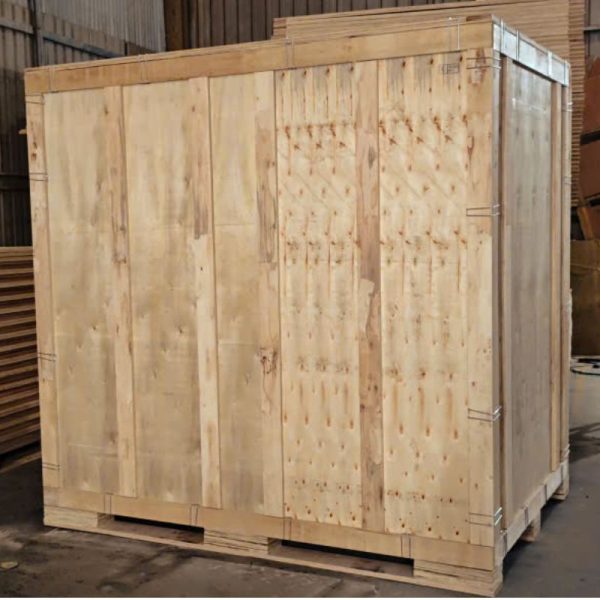
Wooden Lift vans Type II crates are designed as heavy-duty wooden containers with a rigid frame and enclosed panels. Compared to lighter packaging solutions, they offer superior durability and load-bearing capacity. The structure is typically composed of a base, side panels, end panels, a top cover, and internal reinforcements.
One of the key features of Wooden Lift vans Type II is the use of engineered wood materials such as LVL (Laminated Veneer Lumber), which significantly improves strength and stability. This makes the crate suitable for transporting fragile, bulky, or high-value items across international borders.
Materials Used in Wooden Lift vans Type II
Plywood Panels
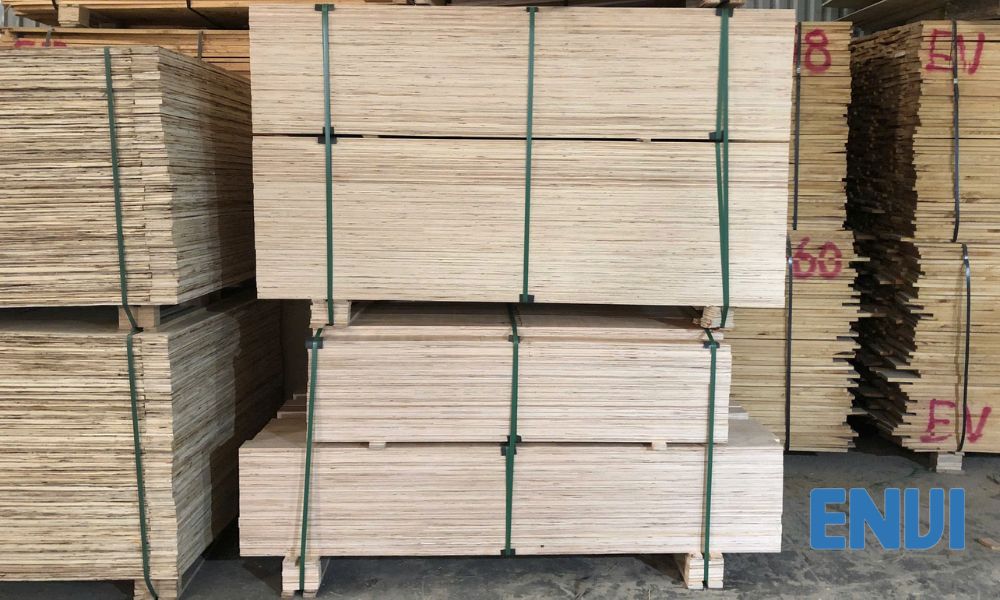
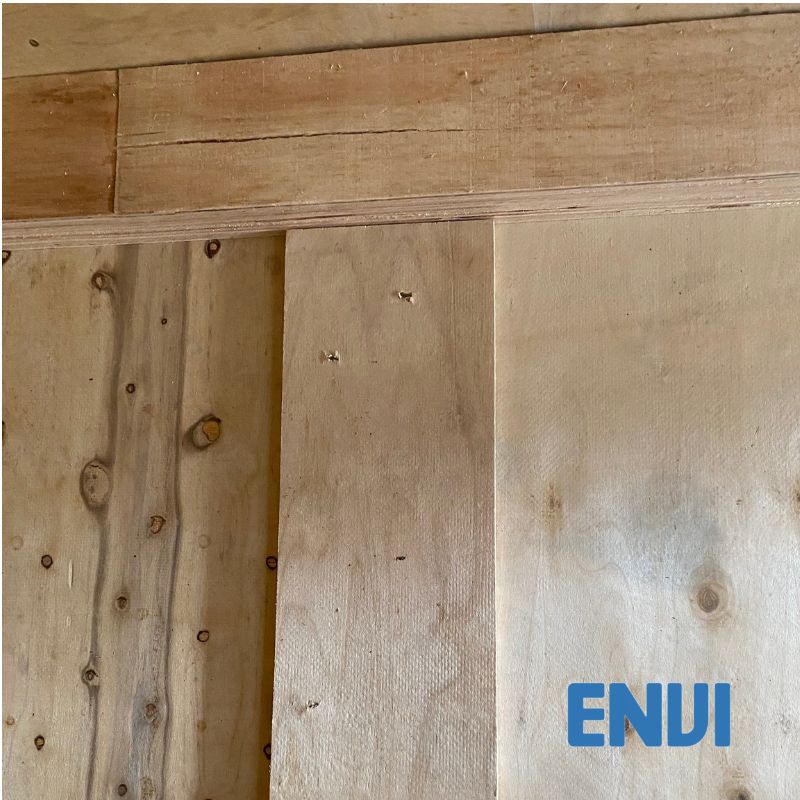
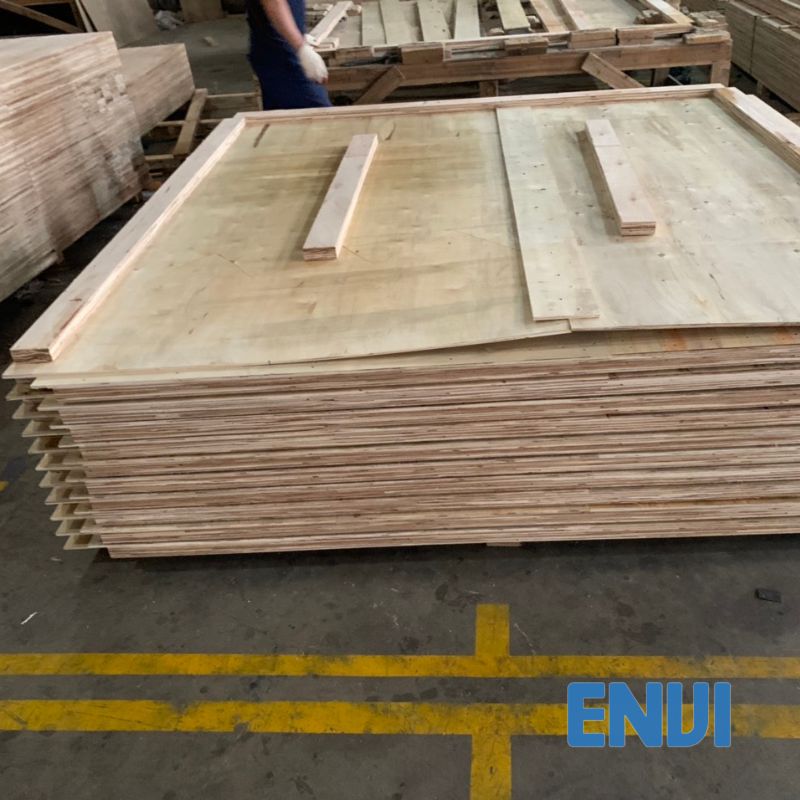
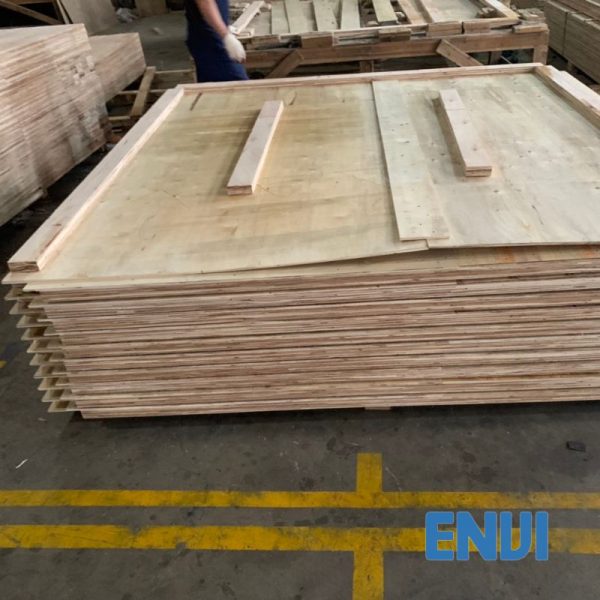
Plywood is the primary material used for the bases, sides, ends, and top cover of the crate. The standard thickness for Wooden Lift van Type II plywood typically ranges from 9 mm to 12 mm, depending on the cargo requirements and shipping conditions.
The plywood used for the bases are 12mm and the plywood used for the sides, ends, tops are 9mm. All plywood materials must be treated according to international regulations such as ISPM 15 to ensure they are safe for export and free from pests.
LVL Frame (Laminated Veneer Lumber)
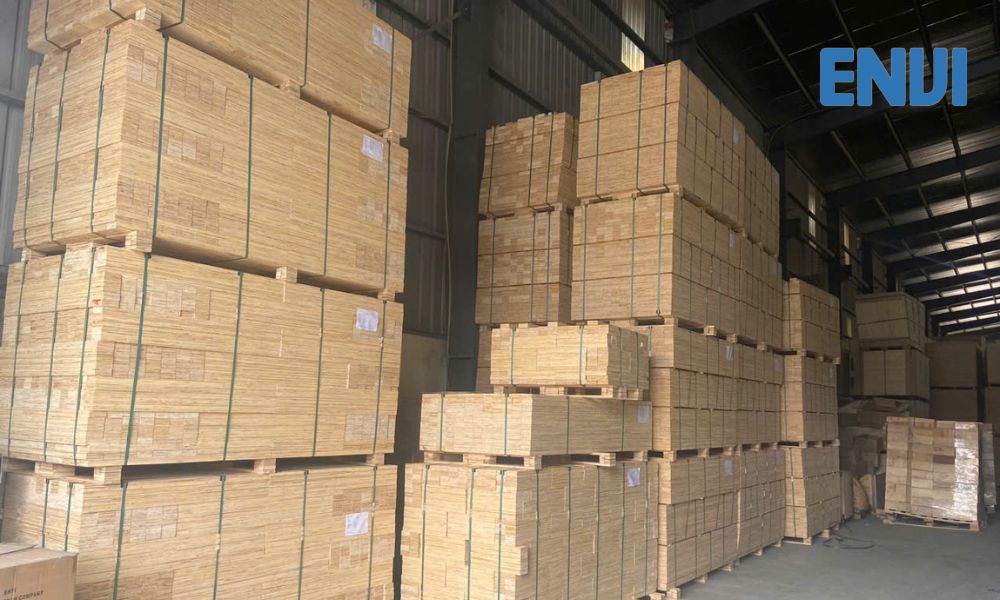
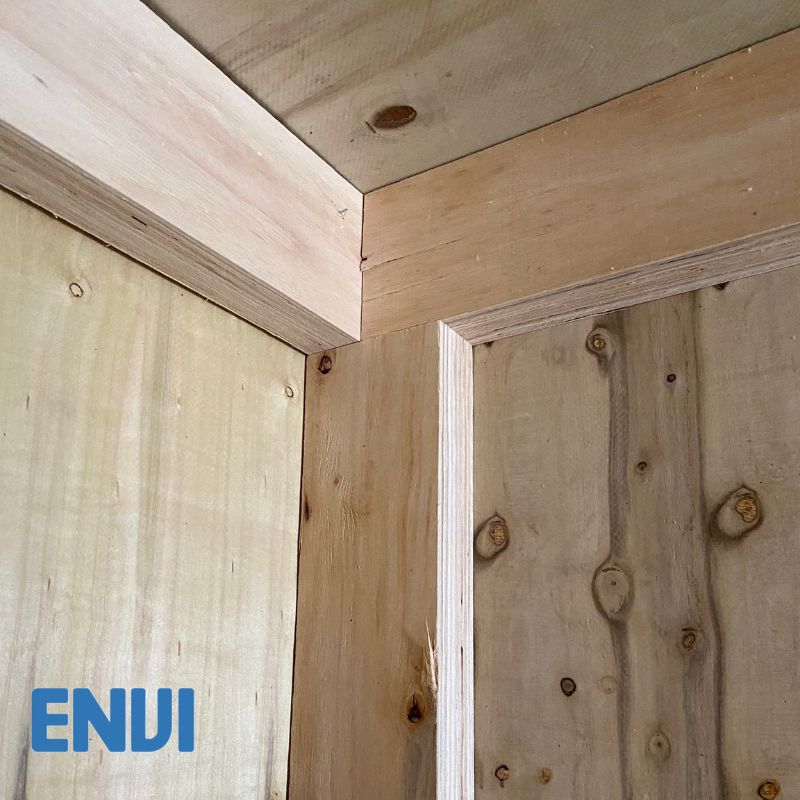
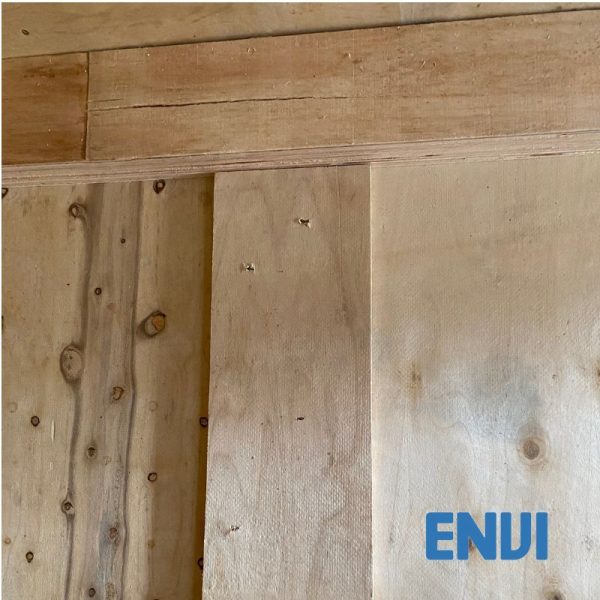
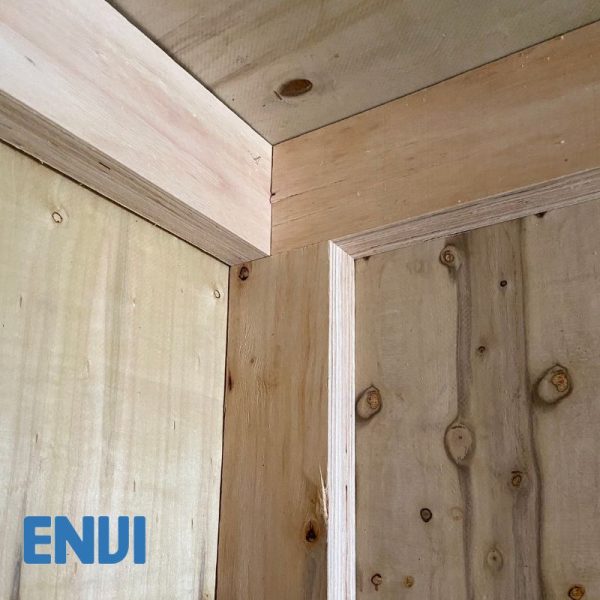
The structural frame of the crate is made from LVL, a high-strength engineered wood known for its consistency and resistance to warping. Typical LVL specifications for Wooden Lift vans Type II include:
- Thickness: 36 mm
- Width: 87 mm
These dimensions allow the frame to withstand vertical stacking loads and horizontal forces during handling. LVL is preferred over solid wood due to its durability and reliability in varying environmental conditions.
Key Components of a Wooden Lift vans Type II Crate
Base Structure
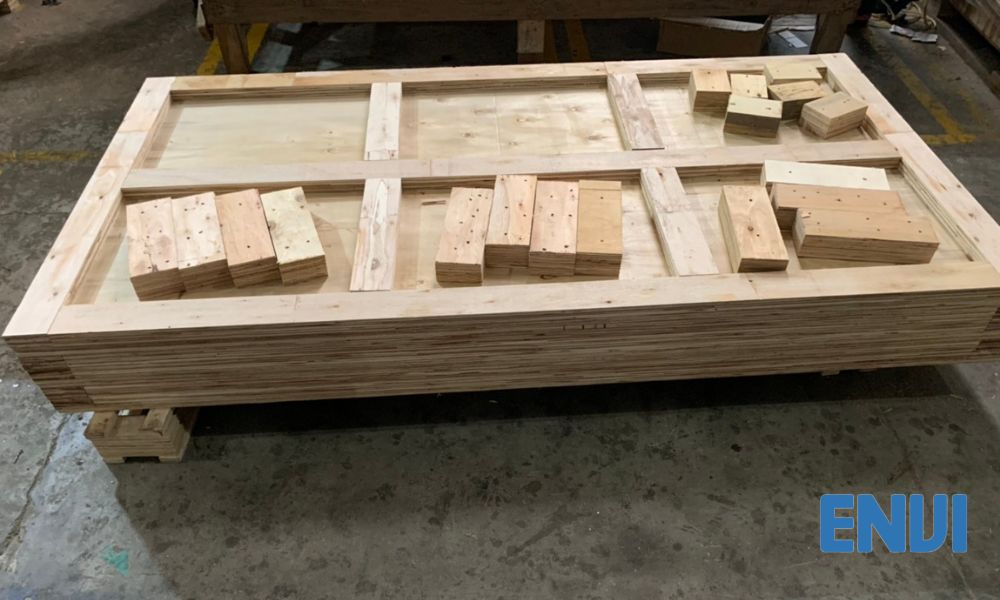
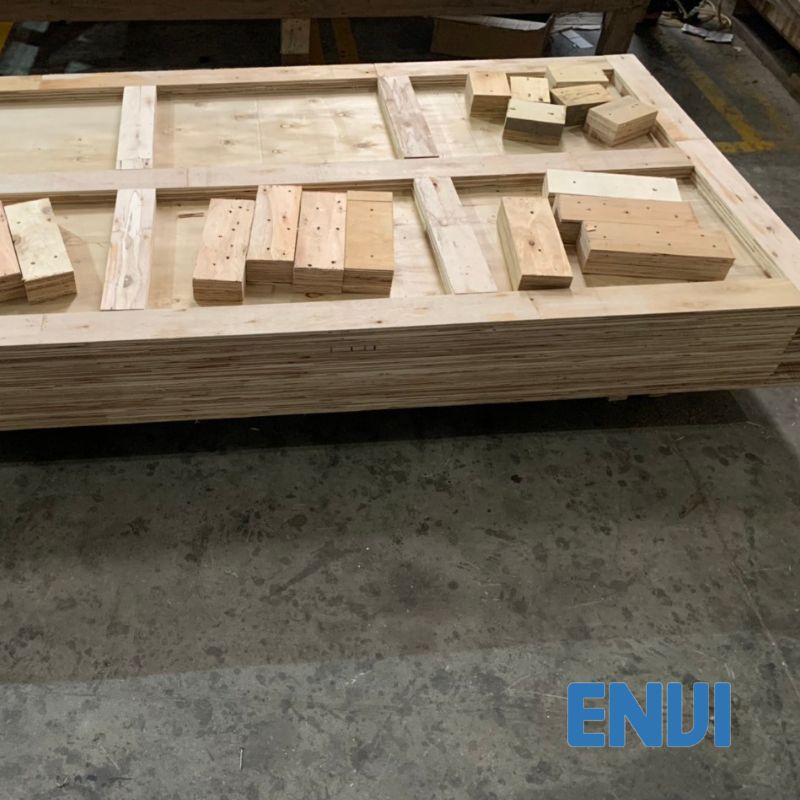
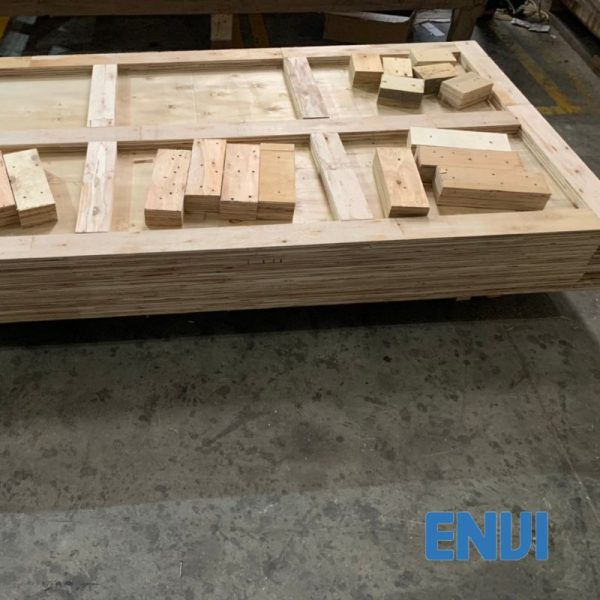
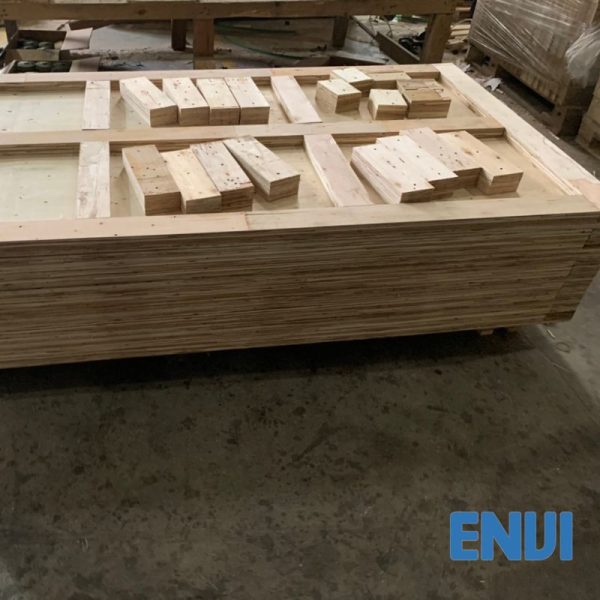
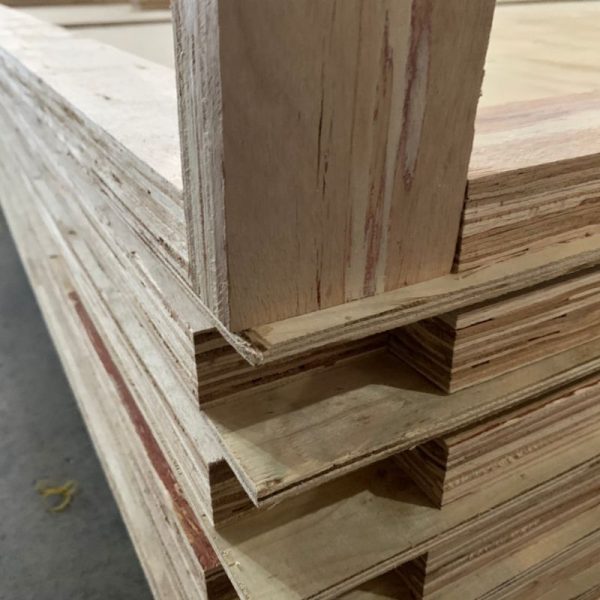
The base forms the foundation of the Lift vans Type II crate and is designed to support the entire weight of the cargo. It is usually constructed using heavy-duty wooden beams combined with LVL supports and covered with thick plywood.
A critical feature of the base is the inclusion of forklift entry points, which allow easy handling during loading and unloading. These entry points are reinforced to prevent structural damage during repeated lifting operations.
Side Panels
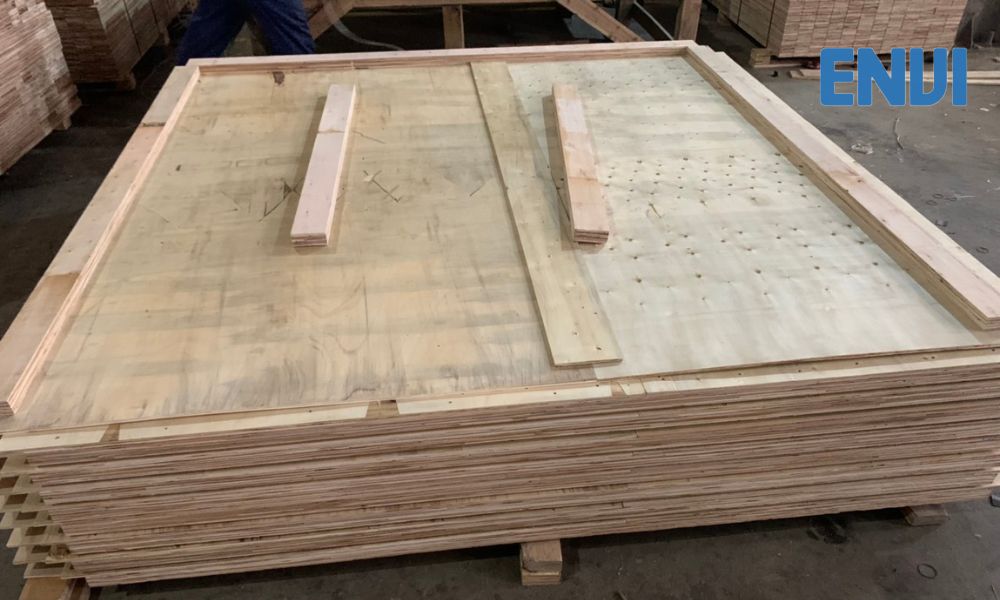
Side panels are attached to the LVL frame and made from plywood sheets with a thickness of 9 mm. These panels provide protection against external elements such as dust, moisture, and physical impact.
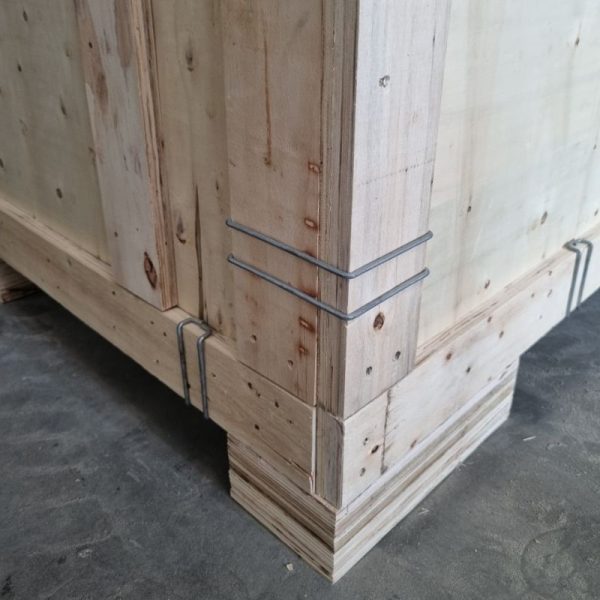
The panels are securely fastened using nails or screws, ensuring a tight and stable structure. In some cases, additional reinforcements such as metal brackets are used to increase durability.
Ends (Front and Rear Panels)
The ends, or front and rear panels, are crucial for maintaining the structural integrity of the crate. They help keep the crate square and stable during lifting, stacking, and transportation. Without strong end panels, the crate may deform under pressure.
Similar to the side panels, the ends are made from 9 mm plywood and are supported by an LVL frame with a thickness of 36 mm and a width of 87 mm. This ensures consistent strength across all sides of the crate.
Top Cover (Lid)
The top cover is used to seal the crate and protect the cargo from above. It is constructed from the same plywood thickness as the side and end panels, ensuring uniform strength throughout the structure.
The lid is usually fixed with screws or nails, depending on whether it needs to be removable. In some cases, sealing methods or tamper-evident features are applied to ensure cargo security during transit.
Internal Reinforcements
To prevent cargo movement inside the crate, internal reinforcements such as wooden braces, partitions, or custom supports are often included. These elements are especially important for fragile or irregularly shaped items.
Additional protective materials like foam, straps, or padding may also be used. The internal design is typically customized based on the type of goods being transported.
Fasteners and Metal Components
Fasteners such as nails, screws, and bolts are essential for assembling the crate. In addition, metal straps or steel bands may be used to secure the structure and provide extra strength.
Corner protectors and metal brackets are often added to improve resistance to impact and handling stress. These components play a key role in maintaining the crate’s integrity during long-distance shipping.
Structural Advantages of Wooden Lift vans Type II
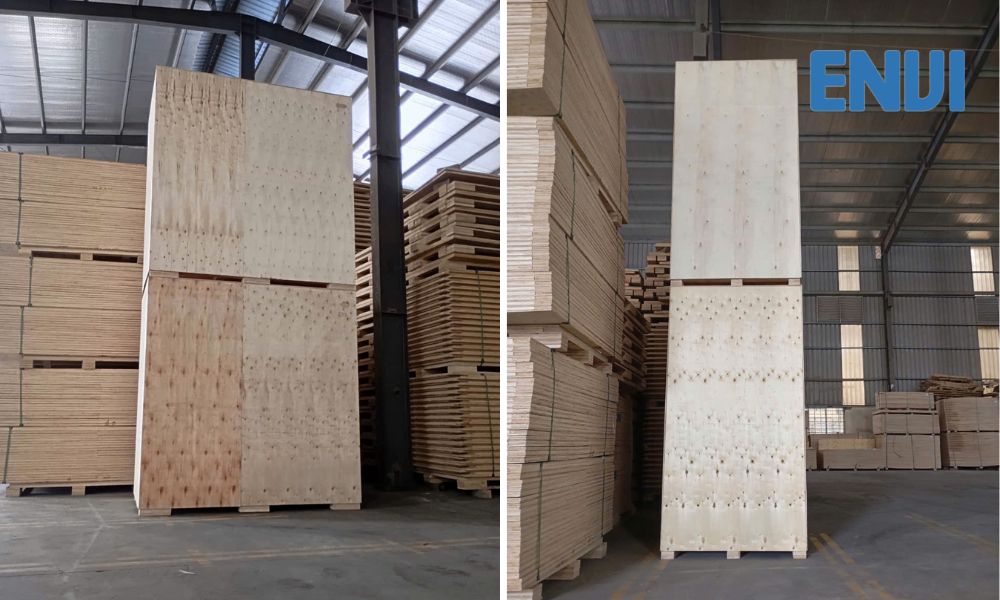
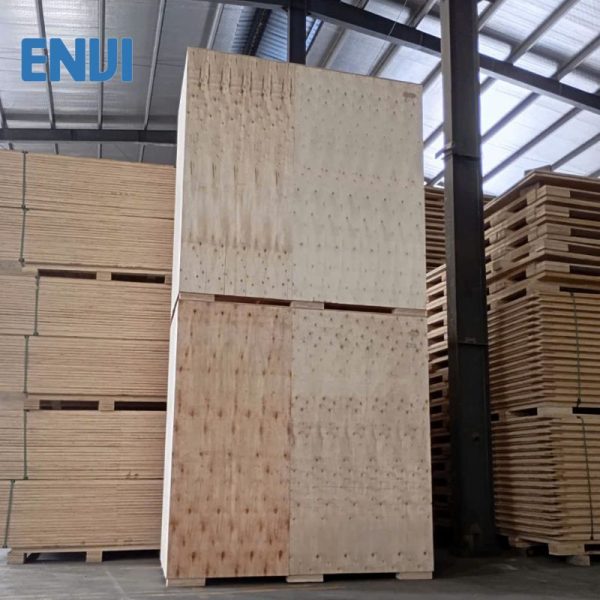
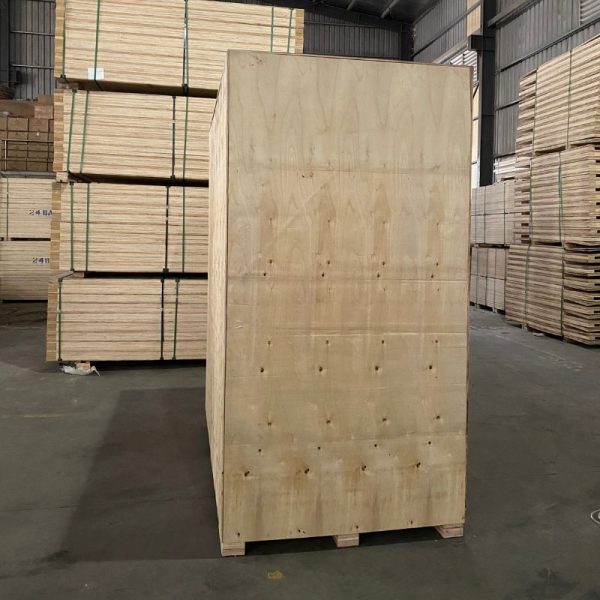
Wooden Lift vans Type II crates offer excellent load-bearing capacity due to their combination of thick plywood and strong LVL frames. This makes them ideal for transporting heavy and valuable items safely over long distances.
Another advantage is their flexibility in design. Many crates can be partially disassembled, allowing for easier storage and reuse. This contributes to cost efficiency and sustainability in logistics operations.
Compliance and Quality Standards
To be accepted in international shipping, Wooden Lift vans Type II crates must comply with global standards, particularly ISPM 15. This standard requires all wooden materials to be properly treated to prevent the spread of pests across borders.
Manufacturers also apply strict quality control measures, including checks for material strength, moisture content, and assembly accuracy. These ensure that each crate meets the required performance standards.
The structure of Liftvan Type II crates is carefully designed to ensure durability, safety, and efficiency in global transportation. With plywood thickness ranging from 9 mm to 12 mm and LVL frame dimensions of 36 mm in thickness and 87 mm in width, these crates provide exceptional strength.
By incorporating key components such as a reinforced base, side panels, end panels, and a secure top cover, wooden Lift vans Type II crates deliver reliable protection for a wide range of cargo. Understanding these structural details helps businesses and individuals choose the right packaging solution for their shipping needs.
Subscribe to Envi’s YouTube channel: [ Click here ]
Head Office: 5th Floor Geleximco Southern Star Building, Lane 897 Giai Phong Street, Hoang Mai Ward, Hanoi City, Vietnam
Factory: Pho Noi A Industrial Zone, Nhu Quynh, Hung Yen, Vietnam.
Phone: +84 24 6296 3476
Domestic Hotline: 0971.535.580
WhatsApp/Wechat: +84 97 5802729 / +84 33 9789803 / +84 98 4026530
ENVI VIỆT NAM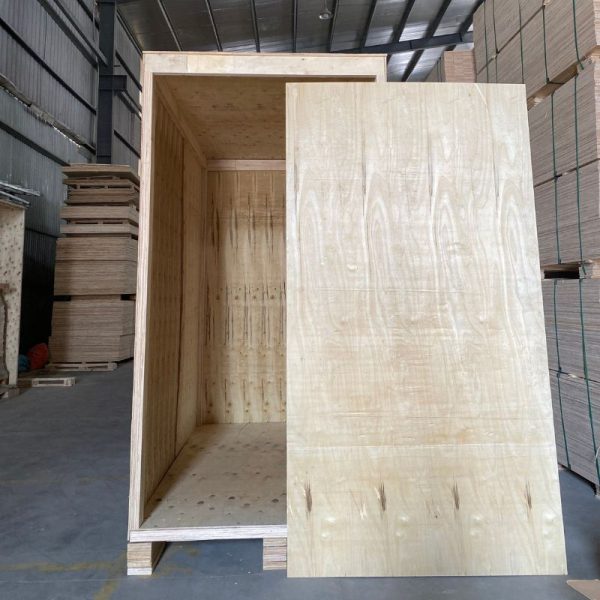



Đánh giá
Chưa có đánh giá nào.